
Write for the buyer’s evaluation task
Distinguish a buyer searching for a standard component from an engineer looking for a custom production partner. The first may need a model, dimensions and purchasing conditions; the second needs process capabilities and the information required for a technical discussion.
Interview the sales and engineering teams together. Ask which jobs are a good fit, which inquiries are rejected and what is usually missing from an initial request. Use those answers to prioritize information rather than filling pages with “quality, innovation and customer focus.”
For export work, localize units, terminology, delivery context and contact expectations. An English page should not claim certifications, geographic coverage or an overseas office that the business does not have.
Separate capabilities, products and applications
A contract manufacturer and a catalog supplier may need different structures. This illustrative tree shows how each page can have its own purpose.
Make technical evidence readable and maintainable
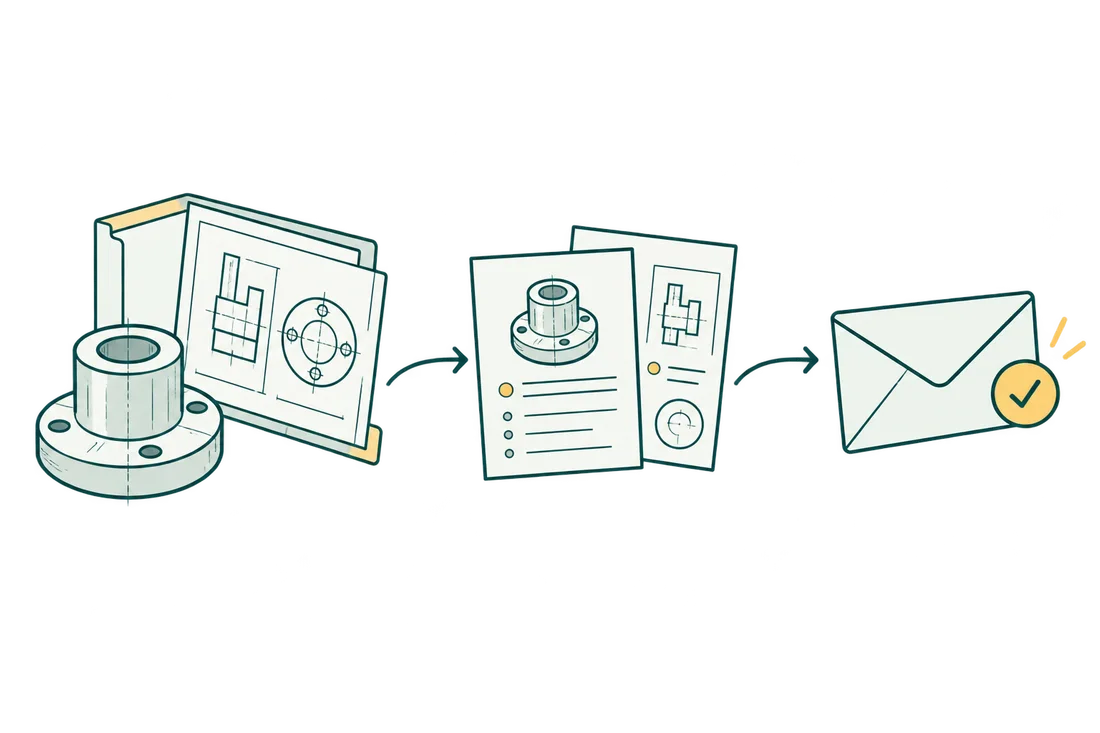
Give important specifications an accessible HTML summary; do not hide every useful fact inside a scanned PDF. Offer the approved data sheet as a download when it adds detail. Record its revision, applicable product and technical owner so an outdated file does not contradict the page.
Explain what a capability figure means. A machine's maximum working envelope does not prove every material, tolerance and production volume can be delivered together. Engineering should approve the claim and its conditions.
Use genuine facility and product photographs with permission. A conceptual illustration can explain a process, but it should not look like evidence of equipment you own. Never put a customer's drawing or confidential project image online without authorization.
Ask enough for a useful quote conversation
An initial request can ask for the product or process, quantity range, required material, timing and business contact. Make uncertain answers possible: a buyer who needs advice should not be forced to invent a tolerance just to submit the form.
Technical file upload is a separate implementation decision. It needs access controls, file handling, retention rules and a responsible recipient. If that is not ready, use the initial form to arrange an approved file-sharing route. An attractive upload button is not a secure engineering portal.
Explain what happens next: who reviews the request and what additional information may be needed. Publish a response-time commitment only if the team can meet it. A web inquiry is not an accepted manufacturing order.
Choose the build around the sales process
A focused site can organize capabilities and generate better-informed inquiries. A distributor portal, live inventory, automated quoting or ERP integration is a larger product with its own requirements. Separate those from the public website brief.
Search research should connect real capabilities with the terms buyers use, then map each intent to the right page. Review service page copywriting for turning scope into clear copy and the website commissioning guide for ownership and delivery questions.
Before launch, have sales test a realistic inquiry and engineering verify the important technical statements. On mobile, check specification tables, file links and the form—not only the homepage.
Verify your manufacturing website
- Have an engineering or production owner approve materials, tolerances, capacity, certifications, and the limits of each stated capability.
- Publish essential specifications in crawlable HTML with useful document links; do not leave all product information inside PDFs.
- Submit a test RFQ on mobile; verify upload restrictions, recipient access, confirmation, and tracking of qualified inquiries.
Manufacturing website FAQs
Do we need ecommerce, or is a quote-based website enough?
A quote-based website often fits custom manufacturing, contract production, and projects that require engineering review. Buyers need enough information to assess your capabilities before contacting sales. Add ecommerce when standard products, predictable ordering rules, and checkout genuinely fit how you sell—not simply because you have a product catalog.
Should we build product, capability, or industry pages first?
Start with the pages buyers need to shortlist a supplier: what you make, which processes you offer, and the specifications you can meet. Add industry pages when requirements, processes, or supporting evidence differ. An engineering owner should verify technical claims; an editor should turn them into clear, searchable page content.
How much information should our quote request form collect?
Request contact details, company, project or part type, and the minimum specifications needed to route the inquiry. Let buyers add quantities, deadlines, and drawings without forcing a complete technical brief. A developer should restrict file types and access; sales should own the response and qualification process.